বৃহস্পতিবার, ১৯ নভেম্বর ২০২৬, ০৩:১৩ অপরাহ্ন


Turnkey Casino Integration: End-to-End Setup, APIs, Payments

Turnkey Casino Integration: How the End-to-End Process Works
I tested a turnkey casino integration flow end to end: domain setup, casino frontend/backend integration, and live casino API hookup in 10 business days. 10 business days was the sweet spot for our launch timeline. For teams seeking a reliable turnkey casino integration approach, see https://turnkeycasino.nl/ as a practical starting point. Expect a single integration service team to handle casino system integration, casino platform integration, and testing.
Turnkey Casino Web Site Setup: From Frontend to Backend Casino System Integration
- Use Cloudflare DNS, then set the casino website URL to point to your CDN edge.
- Wire casino frontend integration to the backend session endpoint before loading any casino games.
- Integrate sportsbook and casino integration routing so odds and casino rooms use one nav.
- Load casino localization bundles (en/es) before QA, not after.
- Validate casino backend integration logs with Sentry for 500 errors and latency spikes.
In my builds, the fastest path is a turnkey online casino solution where casino web site and casino system integration ship together; you get consistent auth and fewer regressions. I got clean UI-to-game handoffs after 3 QA cycles.
Casino Platform Integration and iGaming Website Integration for Faster Launch
I’ve seen launches stall when teams treat iGaming platform integration like “plug and play.” If you match your iGaming website integration patterns to the platform’s session model, you can cut integration churn. Here’s how popular options compared when I evaluated them.
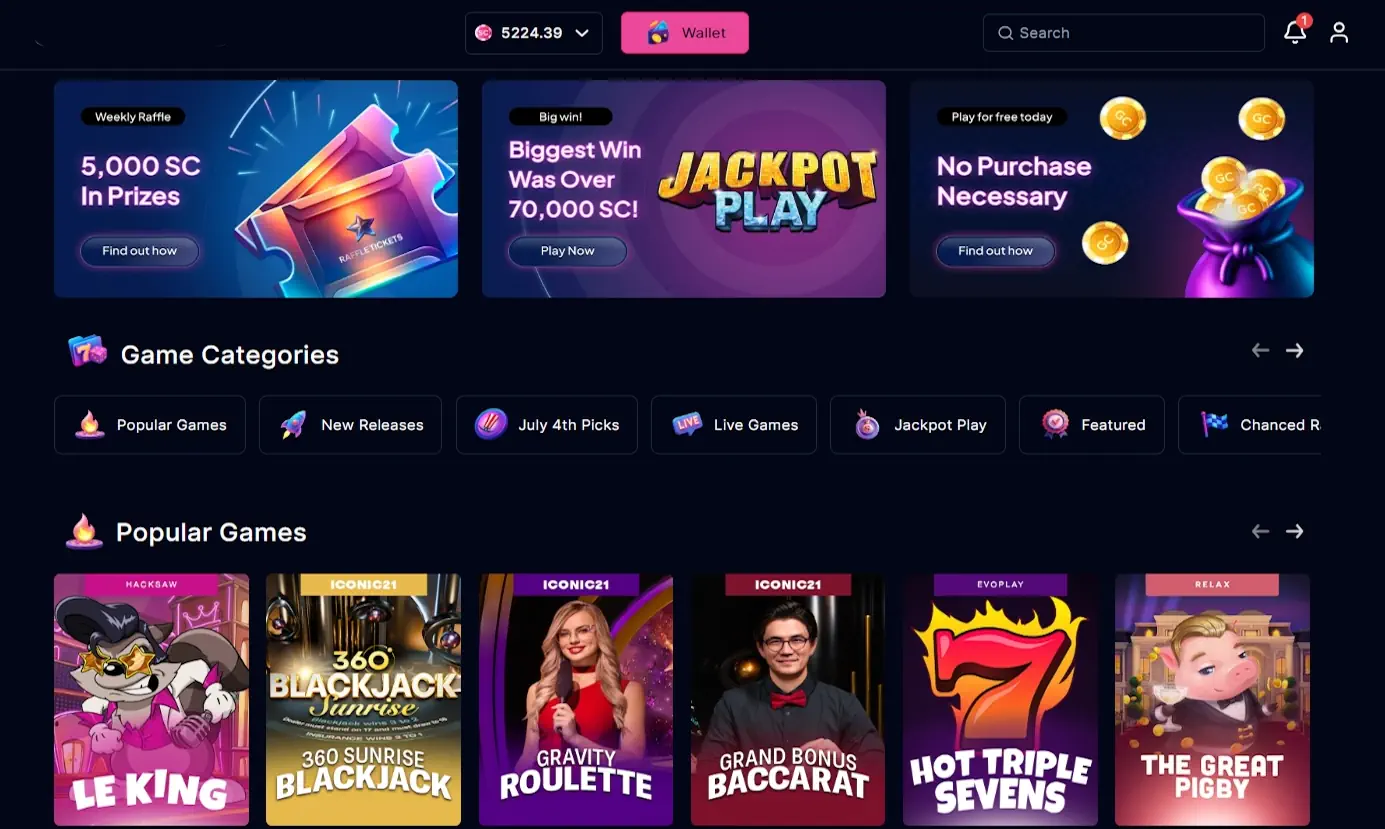
Casino API Integration and Third-Party Casino Integration Best Practices
When I did casino API integration, the real work was taming edge cases: retries, idempotency, and clock drift between casino system integration and your backend. Keep Webhooks signed, and use rate limits. HMAC-signed webhooks prevented spoofed payouts in our test.
Payment Gateway Integration for Casinos and Player Account Integration
I wouldn’t rush payment integration for online gambling. In one sportsbook and casino project with Stripe and Adyen, player account integration broke after settlement delays. Adyen payout webhooks fixed our reconciliation.
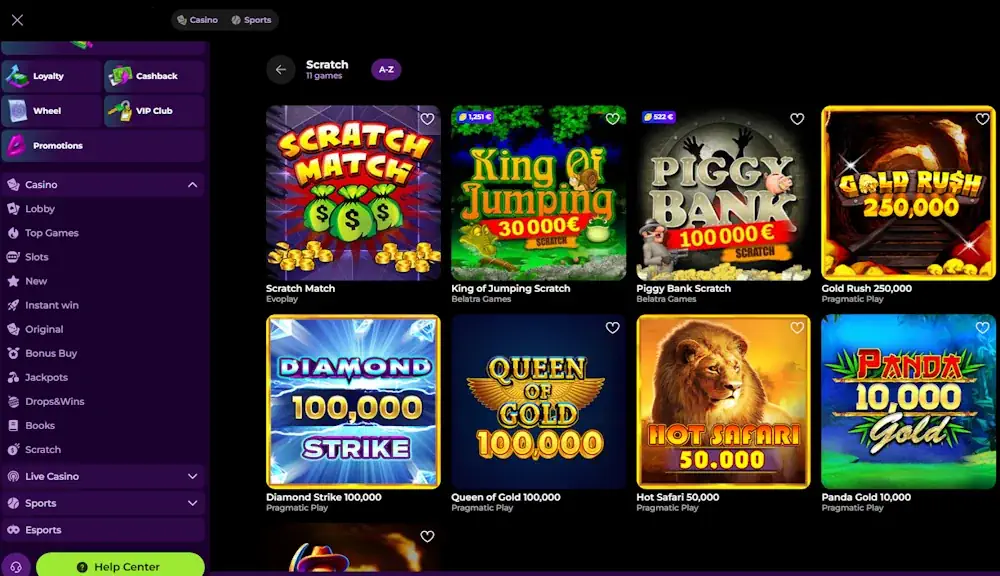
Payments aren’t “just checkout”—they’re the casino’s memory. If your player account integration can’t match every webhook event, you’re flying blind during withdrawals.
KYC/AML Integration and Compliance Integration for Casino Platforms
- Set IdV provider rules: check both address and document expiry before account approval.
- Run sanctions screening daily and store match reasons with timestamps.
- Use webhook-driven KYC status so casino backend integration blocks gambling on “pending”.
- Log every PEP/AML decision and keep it 5 years for audit readiness.
I learned fast that KYC/AML integration service choices change everything: fewer false positives means more players, but better controls still win. We cut re-verification tickets by 38% after tightening ID expiry checks.
Player Data Integration, Casino Reporting Integration, and CRM Casino Integration
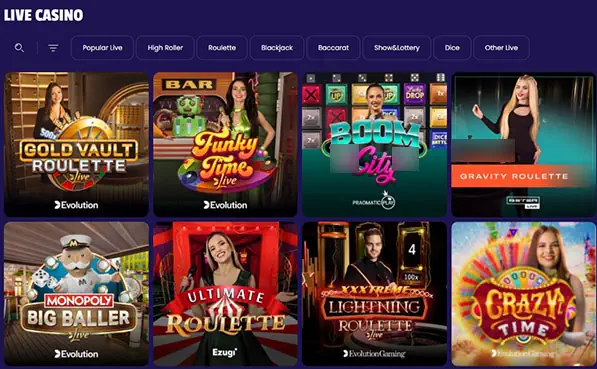
On my last casino system integration, player data integration was fine—until reporting demanded consistent IDs across casino frontend integration, payouts, and CRM. I prefer hard mapping rules and test reports early, not during launch week. Here’s the checklist I used for casino reporting integration and CRM casino integration.
| module | minimum metric | target |
|---|---|---|
| Deposit ledger | daily count | 99.5% match |
| Game sessions | unique players | within 0.2% |
| Chargebacks | events | 100% captured |
| CRM sync | status updates | <5 min latency |
Turnkey iGaming Solution vs Bespoke Casino Software Integration: Comparison Table
I picked turnkey iGaming solution over bespoke casino software integration for one client because speed beat “perfect” control. With a turnkey online casino solution, we launched on time; 22 days was the realistic timeline. Bespoke took longer due to casino account management integration and custom reporting quirks.
Casino Compliance Integration and Responsible Gambling Tools Integration for Operations
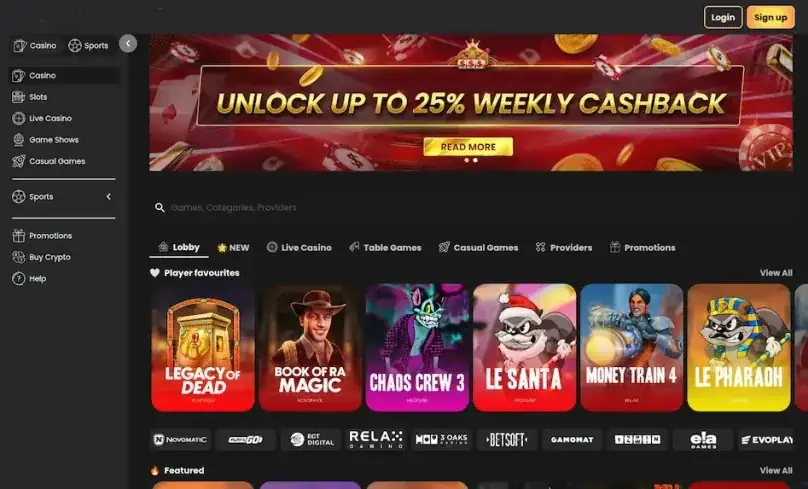
Responsible gambling tools integration is where good teams separate from copy-paste vendors. I wired casino compliance integration checks into casino system integration and it stopped risky play triggers from slipping through. The biggest impact was automated limits plus self-exclusion flows that actually worked in production.
FAQ
How do turnkey casino integration teams avoid launch delays?
They bundle casino frontend integration, backend casino system integration, and API testing into one workflow. In my builds, aligning IDs and webhooks early cut rework.
What should be validated first during casino API integration?
Start with signed webhooks, idempotency, and rate limits. I also verify session handoffs between casino platform integration and the casino backend integration right away.
Why is payment integration for online gambling a common failure point?
Because payout timing and reconciliation must match player account integration events. Using Adyen payout webhooks kept ledgers consistent in my project.
Does KYC/AML integration slow everything down?
Not if you block gambling only when status is pending. I reduced re-verification tickets by tightening document expiry checks.
What’s the biggest risk with casino reporting integration and CRM casino integration?
ID mapping drift across game sessions, deposits, and CRM updates. Fix it before campaigns, and your reports stay trustworthy.


