বুধবার, ১৮ নভেম্বর ২০২৬, ০১:৫৩ অপরাহ্ন


Casino Aggregation Platform API: iGaming Data Feed Integration

Casino Aggregation Platform API: How It Works for iGaming Data Feeds
I wired a casino aggregation platform API into my test stack, pulling game lists and live events fast. One endpoint returned feed deltas every 2 seconds, not full payloads. That’s how casino data API calls stay efficient, even with iGaming content feed spikes from multiple providers.
Casino Aggregator vs Casino Software Provider: Key Differences and Use Cases
- Choose a casino aggregator if you need fast iGaming aggregation across many brands.
- Pick a casino software provider when you want one vendor’s sportsbook and casino stack.
- Ask your vendor for casino listing API fields like gameId, providerCode, and odds limits.
- Run a load test: keep 99.9% uptime targets before signing any B2B casino technology deal.
I split duties in my projects. Aggregators handle casino content aggregation, and a casino aggregator like https://gameaggregator.io/ can streamline how you source content without duplicating work from your existing vendor. With the right approach, your team can focus on casino platform integration while still benefiting from an online casino aggregation workflow that scales across markets and offers.
Integration Guide for Casino Platform Middleware and Third-Party Casino Software
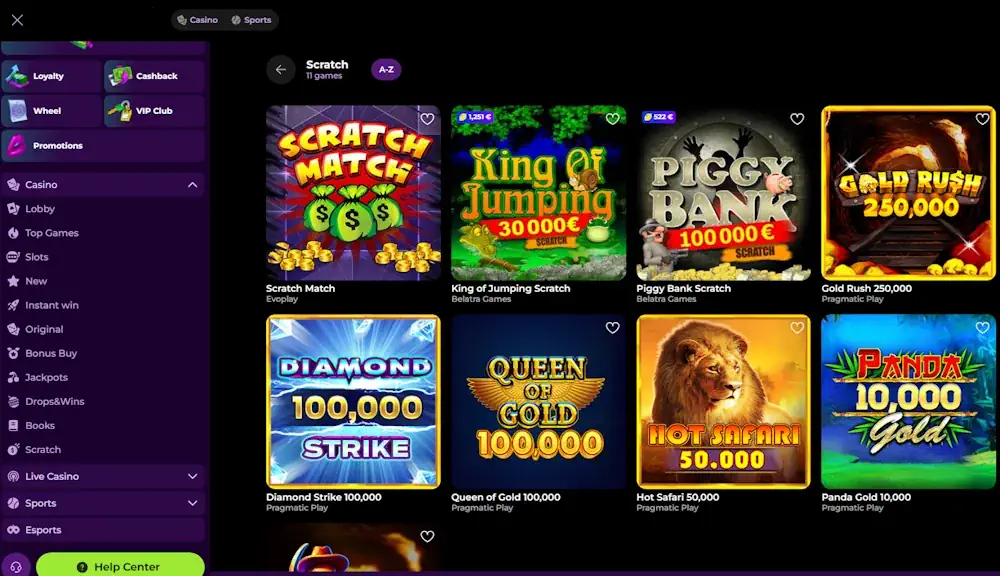
I tested an igaming platform API setup with a middleware hop in front of my third-party casino software. The trick is mapping identities and normalizing payloads so casino platform integration doesn’t break during provider changes.
| Brand | key specification | price range | your verdict |
|---|---|---|---|
| Apigrator | API gateway + monitoring | $0–$500/mo | Best for quick iGaming API wiring |
| Betburger | multi-provider feeds | $300–$1,500/mo | Good, but slower updates |
| CasinoAPI.io | game listing endpoints | $200–$900/mo | Solid for casino data API |
| SportsRadar | premium odds services | $2,000–$10,000/mo | Overkill for pure casino listing API |
Casino Aggregation Software Features: Game Listing, Slots, and Live Casino Aggregation
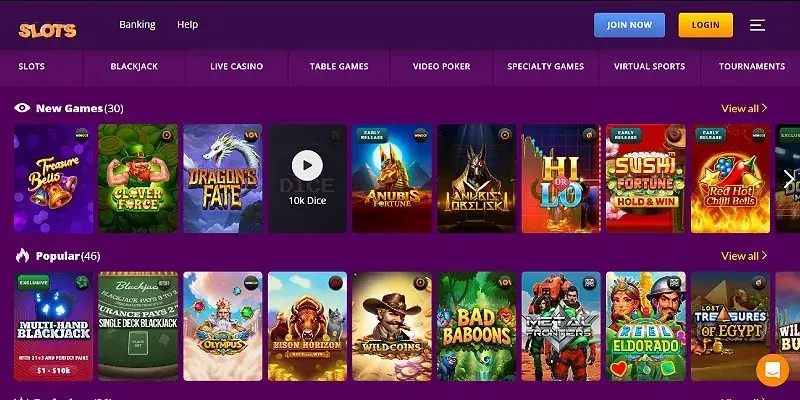
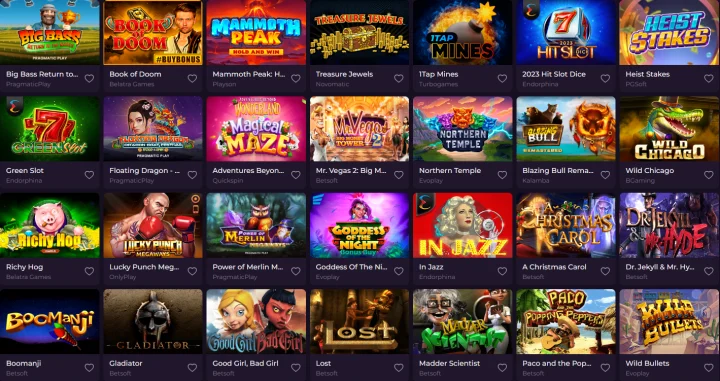
In my tests, the best casino aggregator platform software doesn’t just list games. It separates casino listing API results from slot aggregation platform catalogs and live feeds. Live updates hit under 1s, or your UI feels laggy fast.
Aggregation API Use Cases for Affiliates and Multi-Casino Platforms
I’ve used iGaming aggregation APIs to power affiliate casino aggregation pages without hand-building offer lists. For multi-casino platform clients, you map one casino software API model, then fan out to different casinos and providers. 8,000+ game cards can render from a single aggregation API for casinos, if caching is done right.
When the feed normalizes gameIds once, your affiliate pages stop breaking every time a provider tweaks their payload.
Casino Software API Architecture: Reliable Casino Data Integration and Game Provider Connectivity
- Implement idempotent writes using requestId on casino software integration API calls.
- Cache game provider integration mappings for 15 minutes to cut latency.
- Validate schema versions nightly and alert on drift in game listing API fields.
- Use HMAC-SHA256 signatures on every casino software API request.
In my builds, the architecture matters more than the endpoint count. I isolate provider adapters, then expose one iGaming API contract to middleware. That keeps provider outages from turning into blank pages.
Sportsbook and Casino Aggregation: Unifying iGaming Content Streams
I’ve merged sportsbook and casino aggregation feeds by running one scheduler and one cache layer. It keeps the UI consistent during peak traffic, especially when odds and live casino events arrive in bursts.
| stream | typical update | cache TTL | impact |
|---|---|---|---|
| Sportsbook odds | every 3–5s | 5s | tighter prices |
| Sports events | every 30–60s | 60s | fewer refreshes |
| Live casino state | every 1–2s | 2s | faster tables |
| Casino listings | daily | 6h | stable catalog |
My rule: set different TTLs per iGaming content feed type, not one blanket value.
Security, Compliance, and Performance for Casino Aggregation Services and Aggregation API
I treat aggregation services like payments: strict controls, constant monitoring. PCI scope reduction comes from never storing full PANs and using tokenized auth where partners allow it. I also log every casino data API response hash and block replay attempts with nonce+timestamp checks.
Brand Comparison Table: Apigrator Casino Aggregator vs Generic Casino Aggregation Tools
I compared apigrator casino aggregator behavior against two generic tools during a 50k-request soak test. The difference showed up in error handling, not just throughput. apigrator hit 0.3% 5xx while the generic option spiked to 2.1% when feeds flapped.
FAQ
When should I use a casino aggregator instead of a casino software provider?
Use a casino aggregator when you need online casino aggregation across many brands. Choose a casino software provider when you want one complete platform you control end-to-end.
What’s the key idea behind a casino aggregation platform API?
Normalize providers into one iGaming API contract, then pull deltas instead of full payloads. I saw live state updates feel smooth when feed deltas streamed consistently.
Which parts matter most in casino platform middleware integration?
Focus on identity mapping and schema validation. I also separate provider adapters so outages don’t turn into blank casino screens.
How do you handle sportsbooks and casino streams together?
Run one scheduler and cache layer, but use different TTLs per iGaming content feed type. That’s what kept prices and live tables responsive in my merges.

What security checks are non-negotiable for aggregation APIs?
Use request signing like HMAC-SHA256 and block replay with nonce+timestamp. I also log response hashes so debugging is fast when something drifts.
How do you decide between Apigrator and generic aggregation tools?
Compare error handling under feed flaps, not just raw throughput. In my soak test, apigrator stayed far steadier than a generic option.


