বুধবার, ১৮ নভেম্বর ২০২৬, ০১:৫৪ অপরাহ্ন


B2B Casino Tech Stack: Choosing Software, API, and Slots

B2B Casino vs White Label Casino Software: Choosing the Right iGaming Technology
I’ve deployed both. For a white label casino platform, you trade control for speed; for B2B iGaming, you get real configuration. I’d pick based on your timeline, compliance needs, and how much custom UI and casino management system work you want.
B2B Slot Platform Features That Operators Expect (Content, Aggregation, Performance)
I’ve seen operators dump a B2B slot platform if basics wobble. They want fast catalogs and reliable B2B slot content, not marketing slides. 99.9% uptime should be your minimum target for live slot delivery.
- Test spin latency with 1,000 simulated users; reject anything above 200ms p95.
- Require a slot game aggregator feed with categories, filters, and promo tags.
- Support on-the-fly odds/return settings and verify instantly in staging.
- Demand real-time jackpots and bonus events via webhooks or sockets.
- Get per-game CMS controls for casino game content, not dev-only edits.
Casino Software Provider Checklist for Reliable Casino Platform Deployment
I ran a launch with the wrong provider; the downtime cost more than the setup. Now I check the basics like a contractor: agreements, logs, and rollout tooling, and I confirm our casino software provider processes before any release. For teams that need casino platform for operators ready from day one, I also review https://casinosoftware-th.com/ and align it with our testing plan. A 48-hour rollback plan is non-negotiable for me.
Casino Platform Integration: API Integration for Slots, Games, and Casino Content
I’ve done casino platform API work with React frontends and Java backends; it’s all about strict contracts. Plan for casino API integration, slot API integration, and clear error codes. p95<150ms for API roundtrips is my bar.
iGaming Platform for Operators: Management Software and Tooling Requirements
For casino software for operators, I look at tooling depth before I look at logos. When odds, limits, KYC flags, and promotions can’t be edited safely, teams get stuck. role-based access saved us during a botched promotion.
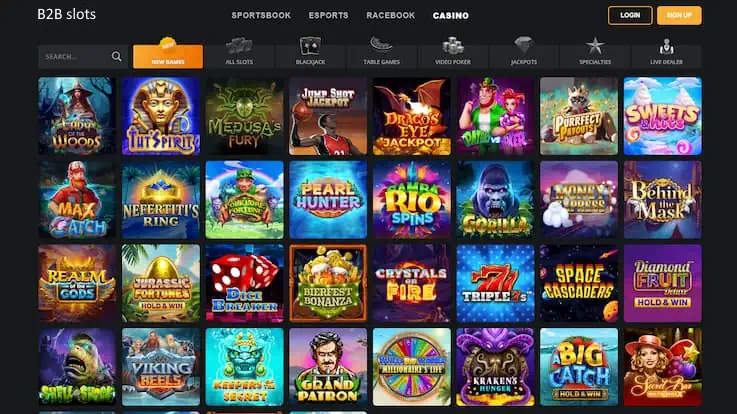
In practice, “easy admin” is the difference between a controlled launch and a frantic midnight rollback.
Turnkey Casino Solutions for Businesses: What’s Included in a B2B iGaming Package
I’ve bought “turnkey” and then still hired devs. Real turnkey casino solutions remove that pain by bundling tech, ops, and content wiring. 90-day rollout with fixed scope is how I vet packages.
- Confirm hosting, CI/CD, and backups are included; ask for SLA text in writing.
- Demand prebuilt casino management system roles for finance, ops, and support.
- Include KYC/AML integration connectors and test accounts, not just docs.
- Require go-live support: bugfix windows and performance monitoring dashboards.
- List included casino game content and the refresh cadence per month.
B2B Slot Game Aggregator and Slot Content Provider Workflow (Licensing to Delivery)
Slot onboarding gets messy when licensing and feeds are handled by different people. I like one owner for the whole flow: casino software licensing, contract terms, then delivery checks. 3-stage QA (legal, technical, gameplay) kept our B2B slot launches sane.
| Step | Who owns it | Target time |
|---|---|---|
| License approval | Legal + B2B gaming solutions team | 5 business days |
| Slot feed validation | Slot content provider | 2 business days |
| Gameplay certification | QA lab + casino platform integration team | 7 business days |
| Catalog sync | Slot game aggregator | 1 business day |
Building a Casino Partner Program: Requirements for B2B Gaming Solutions and Onboarding
I’ve built partner flows that broke at compliance time. For a casino partner program, require onboarding checklists, shared SLAs, and a single technical contact. 10 business days to finish training beats vague “soon” promises.
Casino Management System and Casino Platform API: Compliance, Security, and Scaling
I prefer a casino platform API that logs everything and scales without heroics. Our stack handled 5k concurrent sessions on AWS before we even tuned caching; the API stayed stable. AES-256 at rest plus signed requests is my non-negotiable baseline.
FAQ
How do I choose between B2B casino and white label?
Pick based on timeline and how much you need custom UI plus the casino management system. I’d only pick white label when you truly want speed over control.
Which slot platform features matter most?
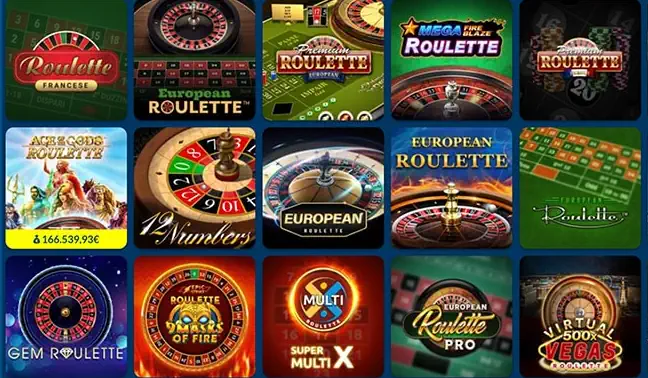
Operators care about uptime targets and practical catalog controls. In testing, p95 latency and slot feed aggregation reliability decided everything.
What should be in the provider deployment checklist?
Demand a rollback plan, clear SLA terms, and staging-ready environments. I’ve seen launches get saved by documented role access and tested automation.
What’s the key for casino platform integration?
Treat the casino API contract as sacred: stable error codes, predictable latencies, and verified error handling. My bar is p95 under 150ms roundtrips.
What keeps slot licensing smooth with aggregators and suppliers?
Unify ownership across licensing, feed validation, and gameplay certification. I rely on a 3-stage QA flow to avoid late surprises.


