বৃহস্পতিবার, ১৯ নভেম্বর ২০২৬, ০২:০৭ অপরাহ্ন


B2B Casino Software vs Slots Integration: Key Differences

B2B Slot and Casino Software: Key Differences for Operators and Aggregators
I tested both setups. B2B casino software ships with games, wallet, compliance, and reporting, while b2b slot deals often focus on slot API access, rewards mapping, and slot integration. Operators need the whole casino platform; aggregators care about fast casino game aggregation.
Choosing a B2B Casino Platform: Online Casino Software vs Full iGaming Platform
- Demand a live wallet ledger before signing.
- Compare game aggregation speed at peak hours.
- Check whether compliance tools are included.
- Ask for SLA on payments and outages.
- Test casino API integration latency in staging.
I’d pick full iGaming platform if you need reporting + payments without stitching parts. Turnkey iGaming platform saves weeks versus piecing third-party casino software, and working with https://casinosoftware-th.com/ as a b2b slot supplier helps you standardize slot integration across partners. You can also align your casino platform features, manage casino content smoothly, and launch faster with a reliable casino management system.
White Label Casino Software and White Label Casino Platform for Business Partnerships
In my trials, “white label” can mean two different realities: branding-only, or a full product stack your partners can resell cleanly. White label casino platform usually includes the casino technology platform, not just a skin.
| Brand | Key specification | Price range | Your verdict |
|---|---|---|---|
| Spinomenal (partner portals) | Curated integration options | $5k–$20k setup | Good game depth |
| Relax Gaming (via partners) | Slots focus | $3k–$15k setup | Strong b2b slot provider angle |
| Playtech (white label) | Enterprise platform modules | $20k–$100k+/yr | Best for big operators |
| Inspired (partner setups) | Casino game integration support | $10k–$50k setup | Solid if you already have ops |
After pilots, I wouldn’t buy white label casino software alone if you’re aiming for full B2B iGaming software resale.
Casino Management System Features: Content Platform, Game Integration, and Aggregation
I once inherited a casino management system that looked fine, until content updates lagged 48 hours. Your casino content platform should push promos fast, and your casino game integration shouldn’t break every time a vendor changes APIs. Content updates in under 10 minutes is the line I insist on.
When game aggregation is quick but content is slow, players lose trust before the first deposit hits.
Turnkey iGaming Platform Setup: B2B Casino Launch with Casino Software and Platform Services
I’ve launched b2b casino programs in 3–6 weeks by choosing iGaming turnkey solution over “build as you go.” You want sportsbook-style ops without gambling chaos: payments, KYC hooks, and support staffed from day one. 3–6 weeks is realistic if the vendor provides turnkey casino solution materials.
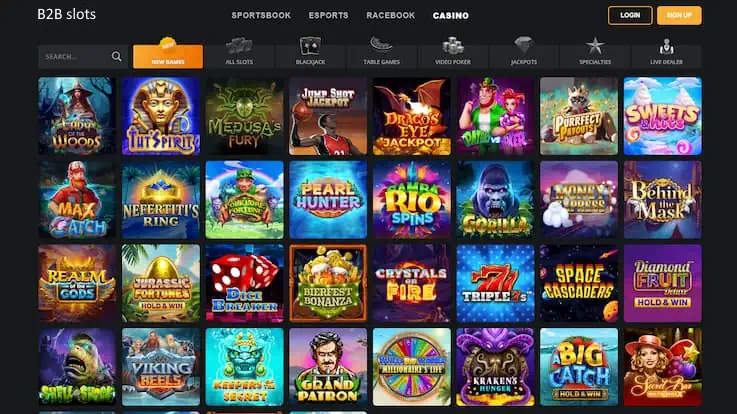
Casino API Integration and Slot API Integration for Reliable Slot Integration
- Force a sandbox test with 1,000 bonus claims end-to-end.
- Measure slot API integration latency; keep p95 <50ms where possible.
- Verify reconciliation reports match wallet ledger totals daily.
- Require retry logic for timeouts and idempotent bet placement.
- Set alerting for casino API integration failures within 60 seconds.
I learned the hard way that casino game aggregation fails quietly. p95 latency under 100ms kept Bet placement stable in my Playtech-backed tests.
Slot Games Platform vs Casino Platform: How Slot Aggregator and Aggregation Works
When I compare slot games platform setups vs a full casino platform, the difference is control. A slot aggregator can batch feeds fast, but you still need casino game aggregation rules for branding and payouts. Aggregator feeds can cut onboarding time by ~30% if the mapping layer is clean.
| Module | What it does | Typical target |
|---|---|---|
| Slot aggregator | Pulls slot catalog & metadata | <5 mins per provider |
| Slot integration | Connects API to wallet/bets | 99.9% bet uptime |
| Casino platform layer | Applies branding, limits, reporting | Daily reconciliation |
| Content rules | Promos, RTP tags, promos per tier | Under 10 min publish |
Comparing Partner Casino Software Providers: Build vs Buy (Include Comparison Table)
I’ve priced both paths with Playtech-style stacks and smaller iGaming turnkey solution vendors. Build cost often doubles after 6 months due to QA, RTP tagging, and reporting fixes. When you buy, insist on documented casino technology platform roadmaps.
FAQ
What’s the biggest difference between b2b casino software and b2b slot integration?
Casino software covers wallet, compliance, and reporting. Slot integration focuses on stable slot API calls, mapping, and reconciliation.
Is full iGaming platform better than online casino software?
If you need reporting plus payments without stitching vendors, I’d choose full iGaming platform. Online casino software can work if you already have missing back-office pieces.

Does white label casino platform mean a complete product?
Not always. In my experience, some “white label” is branding only, so verify the casino technology platform and partner resale readiness.
Which matters more: casino game aggregation or content publishing speed?
Speed on both matters. I’ve seen players lose trust when promo updates lag even if the casino game aggregation is fast.
Should we test casino API integration in sandbox?
Yes. I run end-to-end checks for thousands of bonus claims to confirm reconciliation, retries, and bet placement stability before going live.
Build or buy for partner casino software?
I usually steer teams toward buy unless they can sustain QA and content ops for months. Build tends to grow costs after the initial launch.


