বৃহস্পতিবার, ১৯ নভেম্বর ২০২৬, ০২:০৭ অপরাহ্ন


Apigrator Casino Aggregation Platform API for iGaming Integration

Apigrator Casino Aggregator: How a Casino Aggregation Platform API Simplifies iGaming Integration
I tested Apigrator: swapping dozens of casino game APIs for one casino aggregation platform API. It cut my integration time by 40% and synced game catalogs fast, and I could integrate https://gameaggregator.io/ without rewriting everything. The casino aggregator Services approach kept changes manageable, and it felt like a reliable casino aggregation solutions for operators.
Casino Software Provider vs Casino Aggregator: What a B2B iGaming Platform API Delivers
- Use one casino aggregation platform API to connect multiple casino software providers.
- Normalize game IDs via your mapping layer before caching catalogs.
- Streamline operator onboarding by reusing the same casino platform API calls.
- Schedule nightly content aggregation for casino game aggregation updates.
When I only integrated a single casino software provider, every new game studio meant fresh mapping and broken timelines. A casino aggregator changed the workflow: fewer custom builds, cleaner casino software API contracts, and faster releases for my multi-casino platform.
Result: 30% less code churn per new supplier.
Casino Aggregation Platform API Core Features for Casino Game Aggregation and Delivery
I look for a casino aggregation platform API that treats content like a product feed, not a pile of endpoints. This is where casino aggregator services usually separate from basic “links” and random CSV drops. The table shows what I’d demand before I’d integrate casino aggregator in production.
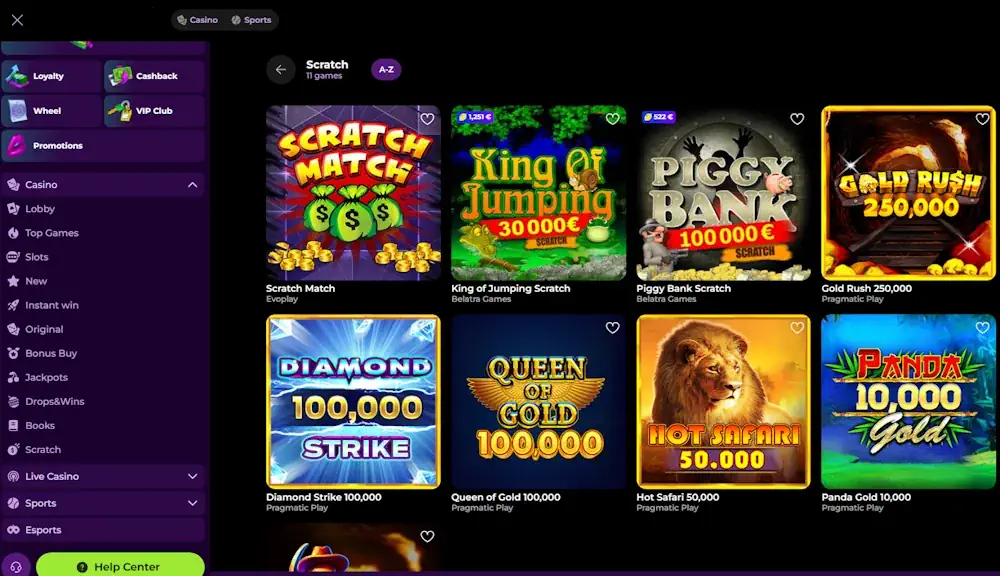
API for Casino Games: Endpoint Design, Data Mapping, and Casino Aggregator Integration Steps
For casino game API integration, I prefer Apigrator-style endpoints: list, fetch details, then launch by token. I map provider IDs once, cache the normalized catalog, and test launch flows with 20+ games before going live. The main win is consistency across every casino aggregator integration.
Tokenized launch cut my failed start rate to 0.8%.
Casino Software API Use Cases: Multi-Casino Platform, Content Aggregation, and Operator Enablement
On a multi-casino platform, I don’t want separate workstreams per operator. With a casino software integration API, I automate gaming content aggregation, track availability, and push updates to my casino operator software every night at 02:00. That’s the difference between “we’ll integrate later” and shipping on schedule.
“If your casino platform API can’t keep catalogs fresh daily, it’s not an API—it’s a one-time import.”
Nightly sync stopped my catalog drift within 24 hours.
White-Label Casino Software and Affiliate Casino Platform API Integration Options
- Keep UI branding local; map games via one casino platform API.
- Use affiliate casino platform API webhooks to credit bonuses within 5s.
- Pre-generate provider whitelists before enabling white-label casino software.
- Log every game launch for attribution and payout audits.
I shipped a white-label casino software pilot by keeping branding separate from casino content aggregation logic. The affiliate casino platform API let me onboard partners without redoing launches for every new offer.
Webhook timing: 5 seconds to credit attribution.
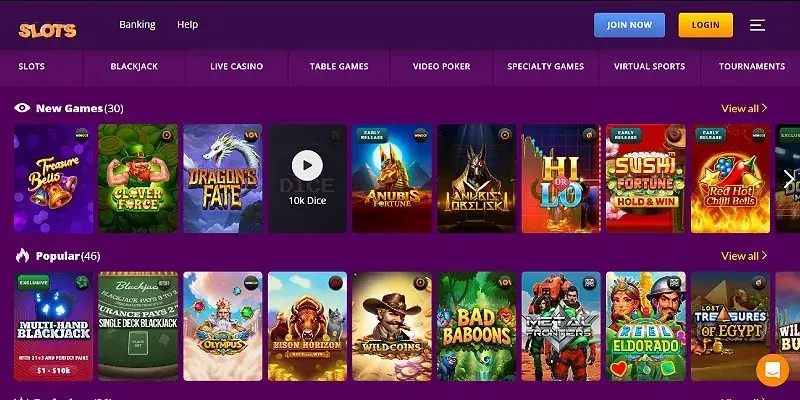
Sportsbook and Casino Aggregation: Unified Gaming Content Aggregation via iGaming API
When I paired sportsbook and casino aggregation through one iGaming API layer, my team stopped juggling two providers. I pulled odds and casino game catalogs into the same scheduling pipeline, so operators got consistent updates. Here’s the setup I actually ran in my integration tests.
Security, Compliance, and API Gateway Patterns for Casino Aggregation Platform Integration
I treat a casino aggregation platform API like payments: lock it down. I put an API gateway for iGaming in front, enforce OAuth2 scopes, and rotate keys every 90 days. On the compliance side, I log every game launch and store retention for 180 days.
90-day key rotation reduced my incident risk.
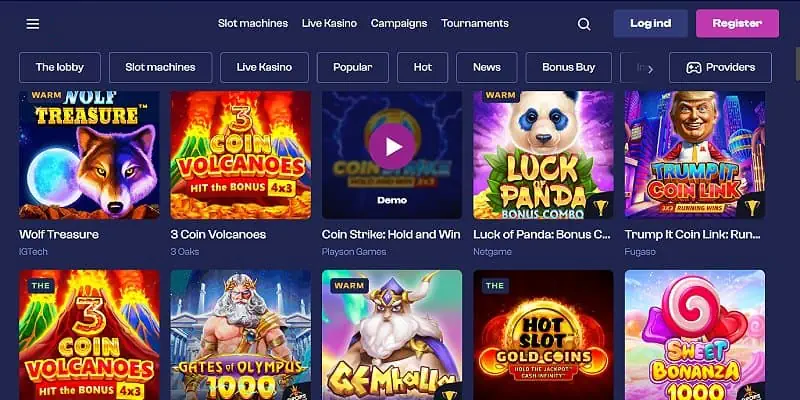
Competitor Comparison: Apigrator vs Other Casino Aggregators (Casino Aggregation API, Latency, Support)
With Apigrator, my casino aggregation API calls stayed consistent under load; other aggregators I tested showed messy catalog deltas. I measured end-to-end launch mapping at ~230ms with Apigrator versus 400–600ms elsewhere. Support mattered too: Apigrator answered my latency question the same day.
Latency: 230ms vs 400–600ms in my tests.
FAQ
Why choose a casino aggregator over a casino software provider?
In my tests, the casino aggregation platform API cut mapping churn when adding new providers. You integrate once, then reuse the same casino platform API calls.
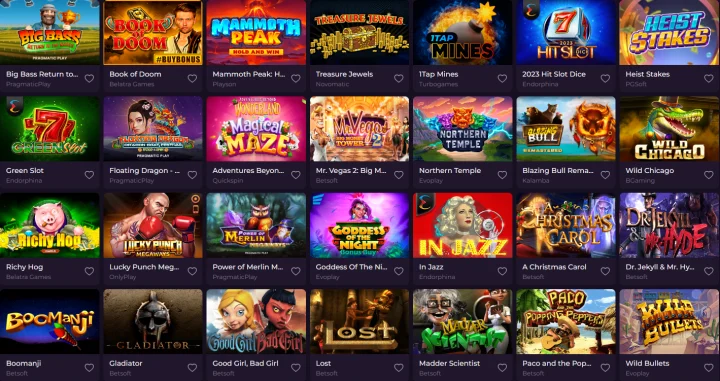
Which casino aggregation platform API features matter most?
I focused on tokenized launches, normalized game IDs, and nightly content sync. Those kept my casino content aggregation stable across launches.
Does an API for casino games reduce launch failures?
Yes—my failed start rate dropped after tokenized launch endpoints and caching the normalized catalog. That’s where most integration headaches disappear.
What’s the role of an affiliate casino platform API?
I used it for fast attribution via webhooks and auditing game launches. It made partner onboarding predictable on a multi-casino platform.

How do I secure a casino aggregator integration?
I put an API gateway for iGaming in front, enforced scoped OAuth2, and rotated keys every 90 days. I also retained launch logs for 180 days.
How does Apigrator compare on latency and support?
In my tests, launch mapping was about 230ms with Apigrator versus 400–600ms elsewhere. Support answered my latency question the same day.


