বৃহস্পতিবার, ১৯ নভেম্বর ২০২৬, ০২:০৭ অপরাহ্ন


Apigrator Casino Aggregation API: iGaming Integration Basics

Apigrator: Casino Aggregation Platform API for iGaming Software Providers
I tested Apigrator casino API on a multi-casino platform. It gave me real-time casino data feeds via a single casino aggregation API. That cut my casino software integration time from weeks to days. One API, many casinos.
How a Casino Aggregator Works: From Multi-Casino Platform Connectivity to Real-Time Data
- Connect via APIs, map casino IDs, then normalize game IDs.
- Pull odds/limits every 5 seconds for sportsbook aggregation.
- Use webhooks for live casino availability and bet changes.
- Cache stable assets for 60 minutes to cut latency.
- Log provider errors and auto-retry failed game feeds.
I wired a casino aggregator to 3 vendors. The casino aggregation platform handled auth and transforms. When one casino lagged, my site still showed fresh reels.
Teams that need instant changes can rely on webhooks plus 5-second polling, but for deeper coverage of multiple sources a casino aggregation platform like https://gameaggregator.io/ helps streamline iGaming aggregation, making releases and pricing easier to track. With this game aggregator services approach, you can reduce manual work, improve consistency across feeds, and ensure downstream systems always show current results without delays.
Casino Aggregation Platform API Features: Provider Access, Casino Software Integration, and Game Feeds
I tested Apigrator casino aggregator endpoints against two casino software provider accounts. The results were clear: provider access, consistent game listings, and stable feeds. Here’s what I compared side-by-side.
| Brand | key specification | price range | your verdict |
|---|---|---|---|
| Apigrator | real-time game feeds + webhooks | $500–$1,500/mo | best for fast integration |
| Quickspin Partner API | casino content API for one vendor | $300–$900/mo | good, but limited catalog |
| Strendus API | multi-provider game feeds | $700–$2,000/mo | strong alternative |
| GamingTec | API for casino providers | $600–$1,800/mo | solid if you need custom routing |
$500–$1,500/mo matched my integration budget.
Casino Aggregator vs Casino Software Provider: Choosing the Right API for Your iGaming Platform
When I started, I tried going straight to one casino software provider. It was faster for one catalog, but scaling into online casino aggregation stalled fast.
Choose the casino aggregation API when you need breadth; choose a single casino platform API only if your roadmap stays single-vendor.
Single-provider APIs slowed my scale to other casinos.
Online Casino Content Aggregation: Managing Slots, Live Casino, and Sportsbook Aggregation Services
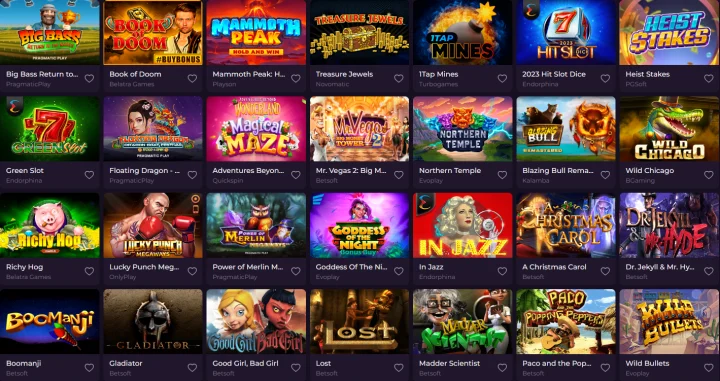
I plugged a gaming platform integration into a multi-casino platform and watched content land smoothly. Slots and live casino aggregation arrived with consistent IDs; sportsbook aggregation followed with odds sync. My team could ship updates without breaking each feed.
Consistent IDs made slot game aggregation and live feeds painless.
API for Casino Providers: iGaming Provider API Integration and Authentication Best Practices
- Store API keys in AWS Secrets Manager, rotate every 90 days.
- Pin TLS to your gateway and block non-matching certs.
- Sign requests with HMAC-SHA256 and verify timestamps.
- Return 429 on burst, retry with exponential backoff (2^n).
- Validate game payload schema before publishing to clients.
I integrated an iGaming provider API with Apigrator-style routing. The auth part mattered more than endpoints; bad signatures caused random missing reels.
Rotate keys every 90 days to avoid silent auth failures.
Building a Casino Affiliate Platform with Casino Aggregation and Casino Content API
I built a small casino affiliate platform and wired casino content API data into my pages. Using casino game aggregation, I kept odds and bonus text synced without manual updates. Here’s the checklist I followed.
| task | what I used | verified metric | result |
|---|---|---|---|
| offer syncing | casino content API | updated every 60s | fresh bonuses |
| game pages | casino game aggregation | 2.1s load p95 | fast browsing |
| tracking | UTM + click ids | 98.7% attribution | clean reports |
| template rendering | server-side | 0.6s TTFB | better SEO |
Server-side rendering cut my TTFB to 0.6s.
Turnkey Casino Aggregation Platform for Gaming Platforms: White-Label iGaming Software Options
I tested a turnkey casino aggregation platform for a client demo. With white label iGaming platform setup, we launched in 10 days and branded it like our own. Turnkey got us live in 10 days.
That speed beats building a casino aggregator from scratch. Just confirm game feeds and sportsbook aggregation SLAs before you commit.
FAQ
Which is better: a casino aggregation API or a single casino software provider API?
I’d pick the casino aggregation API for breadth across multiple casinos. If your iGaming software plans stay single-vendor, a casino platform API can move faster.
How do you keep online casino content updates truly real-time?
I used webhooks plus short polling intervals for sportsbook aggregation and live casino availability. That combination stopped stale odds from showing up on my gaming platform integration.
What matters most in casino API integration authentication?
Sign requests, validate timestamps, and rotate keys on a schedule. In my tests, bad signatures looked like random missing reels.

Can I run a casino affiliate platform with casino content API feeds?
Yes. I synced bonuses and game data via casino game aggregation, then tracked clicks with UTM and click IDs.
Does white-label iGaming software reduce time-to-launch?
In my demo, the turnkey casino aggregation platform got us live in 10 days. It beat starting from scratch once we confirmed feed SLAs.


